
The eSIM Data Plan Hack That Saves You Hundreds While Traveling Abroad
An eSIM data plan is a digital profile stored on a device’s embedded chip, eliminating the need for a physical SIM card. It works by allowing users to activate cellular data service remotely, often through a carrier’s app or a QR code, without swapping cards. This provides instant connectivity for travel or backup data, as multiple plans can be stored and switched between on compatible smartphones or tablets.
Understanding the Shift to Digital Connectivity
Understanding the shift to digital connectivity means recognizing that your SIM is no longer a physical object to swap. An eSIM data plan directly embodies this by allowing you to activate a mobile network entirely through software, bypassing the need for a plastic card. This digital-first approach lets you switch carriers or add a local data plan instantly from your device settings, not a store. Question: How does an eSIM data plan simplify travel connectivity? Answer: You purchase and activate a local data profile before you depart, ensuring you are connected as soon as you land. This shift turns connectivity into a seamless, on-demand utility, entirely managed through the digital interface of your phone.
What an Embedded SIM Means for Modern Travelers
For modern travelers, an embedded SIM means no more hunting for a local SIM card or juggling tiny plastic trays at the airport. You simply buy and activate a digital plan right on your phone before you even leave home. This lets you land and instantly get online for maps or rideshares. It also lets you keep your home number active for calls, while using a local data plan for browsing. The biggest win is switching plans mid-trip without any physical swap, letting you top up or change providers directly from your device as your needs shift.
Distinguishing Physical SIM Cards from their Virtual Counterparts
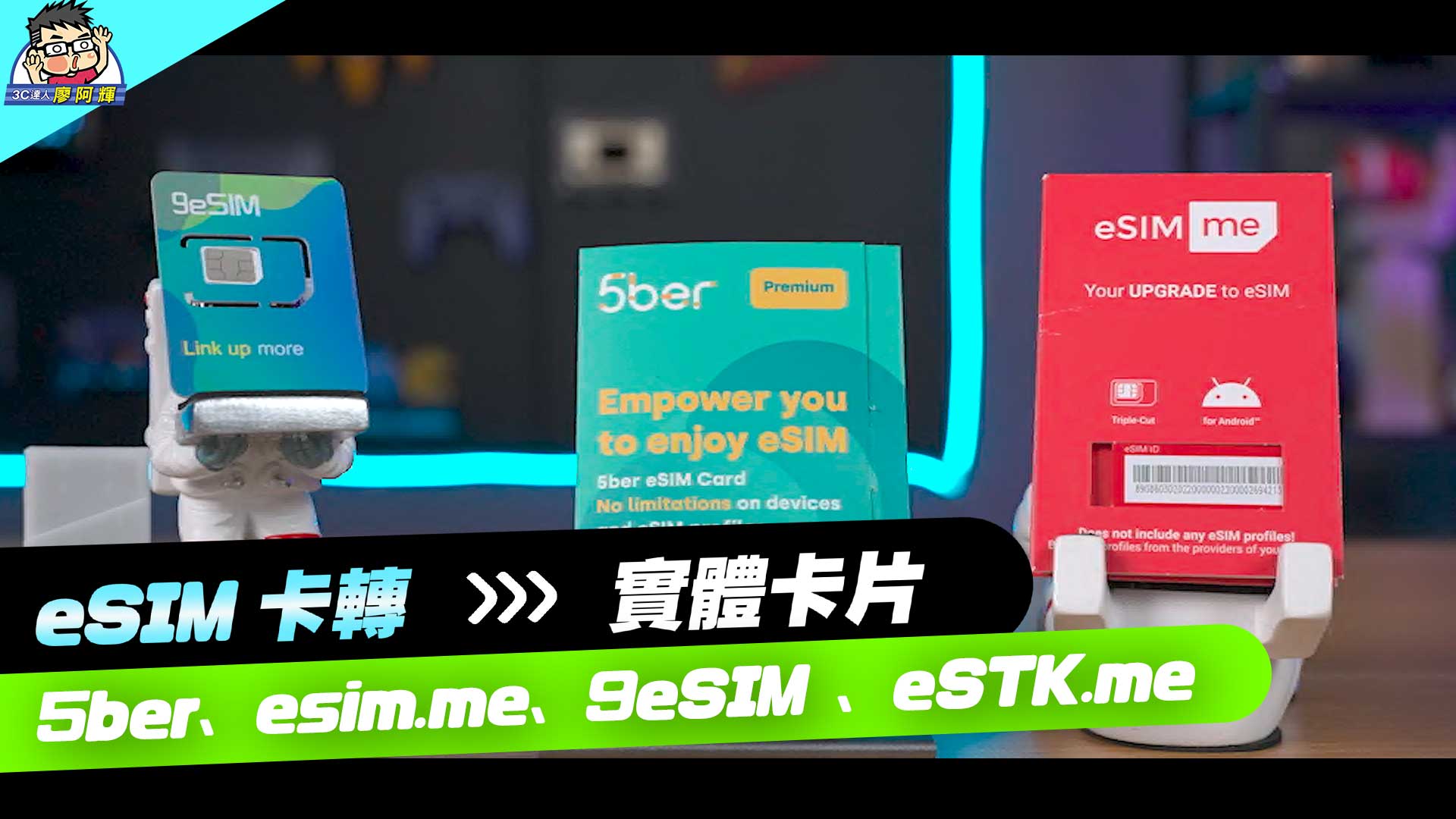
Distinguishing physical SIM cards from their virtual counterparts centers on tangible presence versus embedded code. A physical SIM is a removable plastic chip requiring manual insertion and swapping, while an eSIM is a soldered chip programmed remotely. For an eSIM data plan, this means no waiting for delivery or fumbling with tiny trays. The key advantage is instant activation across multiple profiles, allowing you to switch carriers without changing hardware. Digital SIM management offers unparalleled flexibility for travelers and multi-device users. Q: How do you distinguish a physical SIM from an eSIM when purchasing a data plan? A: If the plan requires inserting a physical card, it is a traditional SIM; if it provides a QR code or app for remote activation, it uses an eSIM.
Why Choose a Digital Profile for Your Next Trip
Ditch the plastic SIM and activate a digital profile for your next trip in seconds—no store visits, no tiny trays to fiddle with at baggage claim. An eSIM data plan lets you install connectivity remotely, keeping your phone number active for two-factor authentication while you’re abroad. Travel light without carrying multiple physical cards, and flip between regional profiles or top-ups directly from your phone’s settings. Miss a connection? Land and grab a fresh eSIM data plan over airport Wi-Fi before you even clear customs. It’s seamless, instant, and makes your journey start the moment you switch off airplane mode.
Eliminating Roaming Fees Without Changing Your Number
Eliminating roaming fees without changing your number is achieved by installing an eSIM data plan for temporary data on your existing device. This allows you to keep your primary SIM active for calls and texts while the eSIM handles all data traffic abroad. The process follows a clear sequence: first, purchase a local or regional eSIM plan before departure; second, install the eSIM profile via a QR code or app; third, designate the eSIM as your data line in device settings. Voice calls and SMS to your home number remain routed through your original carrier, utilizing your existing plan’s features. This directly avoids per-megabyte or per-day roaming surcharges from your home network, as the eSIM provides a separate, flat-rate data connection. The key benefit is seamless dual-SIM travel, preserving your primary number’s reachability without incurring any additional roaming costs for data usage.
Seamless Activation Before You Even Board the Plane
Seamless activation before you even board the plane eliminates the traditional scramble for a local SIM upon arrival. With a digital profile, you purchase and install the eSIM data plan from your home Wi-Fi, then activate upon selected departure time via the provider’s app. This pre-trip setup follows a logical sequence:
- Scan a QR code or download the eSIM profile on your device.
- Select your destination plan and pay.
- Schedule activation to trigger automatically when your flight departs.
The activation is tethered to your flight’s departure time, not your arrival, ensuring data is live the moment you step off the plane.
Top Providers Offering Global Coverage
When seeking an eSIM data plan, top providers offering global coverage include Airalo, Holafly, and Nomad. Airalo allows you to acquire local or regional eSIM data plans for over 200 destinations, directly from your device. Holafly offers unlimited data in 160+ countries, with a crucial advantage: you keep your original number active for calls and texts. Nomad provides competitive, pay-as-you-go global data packages across 190+ regions, perfect for frequent travelers. These providers eliminate physical SIM swaps, giving you instant, reliable connectivity from landing. For true worldwide roaming, a global eSIM data plan from these leaders is your most practical solution—no contracts, just seamless, borderless internet.
Comparing Package Sizes: Short Tours Versus Long Stays
When comparing package sizes for global eSIM providers, short tours benefit from high-speed, low-volume data bursts—ideal for navigation and quick social updates across multiple countries. Long stays demand larger, slower-rolling pools to avoid daily top-ups. A 1GB weekly plan suffices for a city break, yet a 30-day 10GB plan prevents throttling for remote work. To choose:
- Estimate your daily consumption (maps vs. streaming).
- Match trip duration to package expiry (e.g., 7-day plans for whirlwind tours).
- Prioritize rollover data options for extended stays to balance cost and connectivity.
Regional vs. Worldwide Options for Maximum Flexibility
Choosing between regional and worldwide eSIM options hinges on your itinerary. A regional plan, covering a continent or cluster of countries, often provides cost-effective regional flexibility for multi-country trips within a defined zone, avoiding high per-country roaming fees. Worldwide plans offer global connectivity but can be pricier for short, localized journeys. For maximum flexibility, travelers might layer plans: activate a regional plan for primary coverage and a global plan as a fallback for unexpected detours.
- Regional eSIMs typically offer higher data caps at lower rates for contiguous travel zones.
- Worldwide eSIMs eliminate the need to research and switch providers per country.
- Combining both allows you to retain a local number for services while staying globally reachable.
- Some providers let you pause a regional plan and activate a global pass on the same eSIM for seamless adaptation.
How to Set Up a Remote Profile on Your Device
After landing in Madrid, you unlock your phone and open the settings menu. To set up a remote profile for your eSIM data plan, navigate to “Cellular” or “Mobile Data” and tap “Add eSIM.” Your carrier will provide a QR code or a confirmation code via email—select “Scan QR Code” and frame it in the camera viewfinder. The profile downloads instantly, and you assign it to a secondary line alongside your home SIM. Label this profile by trip name or data allowance to UK eSIM avoid confusion later. You must enable “Cellular Data Switching” so the device roams seamlessly without toggling manually. This remote installation often works best with a stable Wi-Fi connection before you leave the airport lounge. Once activated, the eSIM profile pulls your local data pool from the cloud, and you’re online within seconds.
Checking Device Compatibility Across Major Smartphone Brands
Before setting up an eSIM remote profile, confirm your smartphone’s eSIM support. For iPhone, models from XS onward work, but verify your carrier’s profile compatibility. Samsung Galaxy devices from the S20 series generally support eSIM, though carrier-locked models may block it. Google Pixel phones from the 3a series are compatible, but check for regional restrictions. For a swift check:
- Open your phone’s Settings.
- Search for “Add eSIM” or “Mobile Network.”
- Look for “Download an eSIM” or “Add Mobile Plan.”
If these options appear, eSIM device compatibility is confirmed. Missing them means your model or carrier restricts remote profile setup.
Installing a QR Code or App-Based Configuration
To activate your eSIM data plan, you’ll typically scan a QR code provided by your carrier or use their dedicated app for seamless eSIM activation. In your device settings, select “Add Cellular Plan” and point the camera at the QR code—your phone instantly downloads the remote profile. With app-based configuration, simply log into the carrier’s app, choose the eSIM option, and tap “Install”; the profile writes itself automatically. No physical SIM swapping or waiting; your data connection fires up within seconds. Just follow on-screen prompts for confirmation, and you’re online.
Managing Multiple Lines in One Smartphone
Juggling work and personal contacts is seamless when you manage multiple lines on one smartphone using an eSIM data plan. You simply keep your original physical SIM for calls and texts, then download a secondary eSIM strictly for high-speed data. In your phone’s settings, you label each line (e.g., “Work Data” and “Personal Voice”) and instantly toggle which profile handles internet traffic. Worried about mixing notifications? Most devices let you assign specific apps to each connection, so your email pings only through the work line. Switching between carriers for better coverage is as easy as scanning a new QR code—no waiting for a plastic SIM to arrive.
Keeping Your Home Number Active While Using Local Bandwidth

When traveling, keeping your home number active while using local bandwidth requires a clear setup sequence. First, confirm your home carrier supports Wi-Fi Calling or VoLTE over data. Second, install the local eSIM data plan and set it as the primary line for mobile data. Third, enable “Allow Cellular Data Switching” so your home line routes calls and texts via the local eSIM’s bandwidth. This ensures your home number rings for SMS and voice without incurring roaming charges, relying entirely on the local data stream. Monitor your home line’s status in settings to confirm it shows “Using Cellular Data” from the local eSIM.Maintain home number reachability by keeping your home eSIM active and data roaming off for it.
Switching Between Profiles for Work and Leisure
Switching between profiles for work and leisure on a single smartphone becomes effortless with an eSIM data plan. You simply assign one eSIM to your work line for calls and email, and another to your personal line for social media and streaming. Toggling between them in your device settings instantly silences one profile while activating the other, eliminating the need to swap physical SIMs. This separation keeps your work data secure and your leisure time uninterrupted. Dual-profile toggling is done in seconds via the network menu. How long does it take to switch profiles? Typically less than five seconds, with no restart required.
Identifying Unrestricted Plans for Streaming and Video Calls
When managing multiple lines via eSIM, identifying unrestricted plans for streaming and video calls requires scrutinizing fair-use policies, not just headline data caps. Look for plans explicitly advertising full-resolution streaming and uncapped video call bitrates, as many “unlimited” eSIMs throttle video to 480p or lower. Check the provider’s acceptable use section for terms like “tethering restrictions” or “video optimization,” which indicate deprioritization of streaming services. Prioritize plans offering dedicated, high-speed video channels or zero-rating for major platforms. For video calls, confirm that services like Zoom or FaceTime are not deprioritized under a generic “streaming” category. Only plans explicitly stating no video throttling reliably support buffer-free, high-definition calls and streaming across all lines.
Ways to Avoid Deprioritization on Crowded Networks
To avoid deprioritization on crowded networks with an eSIM data plan, prioritize plans from premium network operators that enforce lower traffic thresholds for data throttling. When using multiple lines, assign your primary eSIM to a carrier with higher Quality of Service (QoS) for critical tasks like video calls. A travel-specific eSIM can offload data traffic from your main line during peak hours in congested areas.
- Select an eSIM plan that explicitly states “priority data” or “no throttling” in its terms.
- Manually switch your active data line to a less congested network profile if your phone supports dual eSIM standby.
- Schedule heavy downloads or streaming for off-peak hours (late night or early morning) to bypass network strain.
On several eSIMs, the plan’s “fair usage policy” rather than raw speed determines deprioritization risk.
Cost Breakdown: Pay-As-You-Go vs. Subscription Models
For travelers who rarely leave home, a pay-as-you-go eSIM data plan offers a simple cost structure: you load a small amount of data, like 1 GB for a weekend trip, and spend exactly that. I had a friend who used a subscription eSIM for a two-week vacation and paid $12, while I paid $5 for a pay-as-you-go top-up—the difference was pure waste. With pay-as-you-go, I only buy what I need, so no money sits idle. But when I moved abroad for three months, I switched to a subscription-based eSIM plan because the monthly $10 fee for 10 GB was far cheaper than buying three separate pay-as-you-go packs that would have cost $15 each time. For my steady usage, the subscription model saved me $15 total, proving that the better value depends entirely on your data habits.
Calculating Savings Over Traditional International Passes
When you compare the total data cost of a trip, calculating savings over traditional international passes reveals the real advantage. Traditional passes often charge a flat daily fee, regardless of whether you use 10 MB or 500 MB, inflating your bill for light usage. An eSIM’s pay-as-you-go model lets you buy a specific, smaller gigabyte pool, meaning you only pay for what you actually consume. For example, a $10 traditional roaming pass might expire within 24 hours, while a $15 eSIM plan lasting 15 days covers the exact data you need, delivering direct savings by eliminating wasted, prepaid days.
Hidden Charges to Watch for in Fine Print
In pay-as-you-go eSIM plans, hidden reactivation fees often lurk in fine print, charging a flat rate if your data expires before you manually top up. Subscription models may bury automatic renewal surcharges, where the plan’s price jumps 20-30% after the first billing cycle unless you cancel within a narrow window. For both models, watch for data throttling clauses that disable high-speed access entirely after exceeding a soft cap, then charge per MB without explicit notification. Always examine the terms for “connection fees” applied per network switch—these can stack if the eSIM hops between carriers while roaming, turning a cheap daily rate into a costly per-switch bill.
Troubleshooting Common Connection Hurdles
When troubleshooting connection hurdles with an eSIM data plan, first confirm that the profile is correctly installed and activated in your device’s settings. A common issue is forgetting to enable mobile data or select the eSIM line for data roaming. If no signal appears, manually reselect your network operator under cellular settings to force a reconnection. For persistent drops, toggle airplane mode on and off to refresh the network registration. A device reboot can resolve hidden provisioning errors that a simple settings refresh might miss. Ensure your phone’s software is updated, as carrier bundle updates often fix eSIM compatibility bugs. If roaming, verify that data roaming is enabled on the eSIM line specifically, not just the physical SIM.
Resolving Activation Errors on Unlocked Devices
When an eSIM fails to activate on your unlocked device, the fix often lies in a quick settings check. Ensure your phone isn’t carrier-locked, then delete and re-install the eSIM profile. A forced network refresh—toggling Airplane Mode for 30 seconds— usually resolves lingering handshake errors. Manual APN configuration is your next step; inputting the correct APN from your provider can bypass activation stalls. Why does my unlocked phone say “No Service” after eSIM installation? This typically indicates a profile mismatch; re-scan the QR code from a stable Wi-Fi connection, ensuring the device software is updated to the latest version.
What to Do When Service Doesn’t Activate Abroad
If your eSIM data plan fails to activate abroad, first ensure roaming is manually enabled in your device’s cellular settings. Toggle Airplane Mode on and off to force a network re-scan. Next, manually select a local partner network from the operator list—do not rely on automatic selection. Verify the plan’s activation requires landing in the destination country, not earlier. If still inactive, delete and reinstall the eSIM profile using the original QR code or activation link. Contact your provider’s in-app chat for immediate remote reprovisioning.
When service doesn’t activate abroad, toggle roaming and Airplane Mode, manually choose a network, reinstall the eSIM profile, and contact provider support.
Security and Privacy in a Virtual Network
A virtual network for an eSIM data plan inherently isolates your device traffic from the physical carrier’s core infrastructure, reducing exposure to local snooping on shared hardware. Activate your eSIM’s built-in firewall features to prevent unauthorized access from other virtual subscribers on the same network segment. Always validate the remote provisioning server’s certificate before downloading your eSIM profile to block man-in-the-middle attacks during activation. Use a VPN over your eSIM connection to encrypt traffic beyond the virtual network gateway, as the virtual network itself does not guarantee end-to-end privacy from the provider’s logs. Remember that embedded SIM data remains cryptographically bound to your device’s unique key, so tampering with the profile after installation automatically invalidates the session.
Encryption Benefits of a Digital Carrier Profile
With an eSIM data plan, the encryption of your digital carrier profile ensures your network credentials are never transmitted in plain text during activation. This cryptographic sealing prevents interception when the profile downloads remotely, meaning a hacker cannot clone or tamper with your SIM identity. Unlike a physical SIM, the encrypted profile remains isolated on the device’s secure element, actively blocking unauthorized access to your subscription. This delivers tamper-proof remote provisioning that protects your connection from the moment it is installed. Why does profile encryption directly stop SIM swapping? Because your unique cryptographic keys are electronically tied to your device, making it impossible for an attacker to port your line to another phone without those encrypted credentials.

Risks of Public Wi-Fi Versus a Dedicated Data Slot
Using public Wi-Fi with an eSIM data plan exposes your connection to packet sniffing and man-in-the-middle attacks, as the network operator controls the encryption. A dedicated data slot provides an encrypted, direct tunnel to the carrier, bypassing insecure hotspots entirely. While Wi-Fi may save data, the slot ensures consistent authentication and prevents credential theft on shared networks. Q: Does a dedicated data slot completely eliminate all risks of public Wi-Fi? A: Yes, for data traffic routed through it, because the slot uses a private, cellular-grade link that no third-party hotspot can intercept or tamper with.
Future Trends in Remote Connectivity
Future trends in remote connectivity will pivot on autonomous network switching, where your eSIM data plan intelligently roams across satellites, 5G, and low-power wide-area networks without manual intervention. This means seamless connectivity in dead zones as eSIM profiles dynamically reroute traffic between terrestrial towers and low-earth-orbit satellites to maintain speed.
Expect eSIMs to prioritize latency-sensitive tasks, like real-time collaboration, over a satellite link while offloading bulk updates to cheaper cellular bands.
Your device will become a self-optimizing hotspot, with eSIM plans bundling distributed access points that adapt to terrain and weather—no more toggling carriers or hunting for Wi-Fi. The focus shifts from coverage maps to predictive link stability, where your eSIM pre-fetches shifts in network topology before you lose signal.
Upcoming Phone Models with Native Support
Upcoming flagship devices are set to revolutionize remote connectivity with native eSIM data plan integration. Expect models like the Pixel 10 and Galaxy S26 to ship with dual-native eSIM slots, allowing instant activation of a data plan without a physical SIM tray. The process becomes seamless: first, scan a QR code from your chosen provider; second, assign the eSIM to either primary or secondary line; third, toggle data for travel or work-mode. Mid-range phones like the Nothing Phone 3 will also include preloaded eSIM profiles, enabling you to purchase and switch data plans directly from the settings menu—no carrier visit required.
The Role of eSIM in IoT and Wearable Devices
For IoT and wearable devices, the eSIM data plan eliminates physical SIM slots, enabling seamless cellular connectivity in compact designs like smartwatches and fitness trackers. Users can switch profiles remotely to maintain always-on connectivity across LTE-M or NB-IoT networks without swapping cards. This allows a smart ring or health monitor to transmit data independently of a paired phone. The eSIM also supports over-the-air updates, so a device remains connected during firmware changes. A single data plan can manage multiple IoT sensors, simplifying billing.
- Remotely activate or switch data carriers directly on the wearable without removing components.
- Enable a smartwatch to make calls or stream music using its own eSIM data plan, independent of a smartphone.
- Keep a fitness tracker’s GPS and health data syncing in real time over cellular, even without Wi-Fi.
- Use one eSIM data plan for multiple IoT devices like smart locks and sensors, reducing account management hassle.
What Exactly Is an eSIM Data Plan and How Does It Work?
The Core Difference Between a Physical SIM and an eSIM Data Subscription
How a Digital Profile Stores Your Data Allowance Without a Plastic Card
Activation Steps: Scanning a QR Code or Downloading a Profile
Key Features That Set a Digital Data Package Apart
Instant Connectivity Without Waiting for a Physical Shipment
Switching Between Multiple Data Profiles on the Same Device
Local Network Access While Keeping Your Home Number Active
Major Benefits of Using an eSIM-Only Data Service
Eliminating Roaming Fees by Buying Local Data Credits Remotely
No Risk of Losing or Damaging a Tiny SIM Card While Traveling
Flexible Duration Options from Daily Passes to Monthly Plans
How to Choose the Right Mobile Data Package for Your Needs
Matching Data Allowance to Your Usage: Streaming, Browsing, or Work
Checking Device Compatibility: Which Phones Support Embedded SIMs